

We understand how worrying and unpleasant pest issues can be. It is important to us to provide clear guidance, quick support, and reassurance to help ensure your home and neighbourhood remain safe and pest-free.
A pest infestation is when unwanted insects or animals start living in your home or the surrounding areas and begin to cause a problem. This usually means the pests are present, are breeding, or are causing damage or health concerns.
Common signs of an infestation include:
• Seeing pests regularly (for example, mice, rats, squirrels, bedbugs, cockroaches, fleas and flies;
• Finding droppings, nests, bite marks, or noticing unusual smells;
• Hearing scratching or movement in walls, loft spaces or under floors; or
• Noticing insects in carpets, bedding, cupboards or around food areas.
If you’ve noticed pests in your home, garden, or a communal area, please report it to us as soon as possible. Reporting pest issues quickly helps prevent them spreading.
The quickest way to raise this is through myAccount, or you can call us.
We’ll ask a few questions to help us understand the situation, such as:
This helps us assess urgency, trace potential causes, and take the correct next steps.
We may not be able to treat every type of infestation, but we still want to know about it. We’ll check if it’s something we are responsible for, and if not, we’ll explain this and offer advice on how to treat the infestation yourself.
We’ll look at your individual circumstances to understand who is responsible.
This includes where the issue is, what caused it, whether any repairs or shared areas are involved, and your tenancy or lease.
We're responsible for dealing with infestations when:
• The infestation has been caused by pests gaining entry due to a repair issue or damage to the building;
• The infestation is in a communal area (inside or outside);
• The infestation has spread to your home from a communal area;
• The infestation could spread to a communal area;
• The infestation is making your home unsafe or affecting your health;
• The pests were already there when you moved in;
• Your tenancy agreement says we’re responsible; or
• The local council tell us we must take action for health or safety reasons.
In some situations, it’s your responsibility to deal with a pest problem in your home. This is usually the case when pests are present because of something inside your home that you control. If this is the case, you may need to arrange and pay for treatment yourself.
You are usually responsible when:
• The infestation was not caused by building defects or communal areas;
• Pests are in your private garden, unless the problem is linked to a repair, drainage, building or land issue that we’re responsible for.
• The pest problem is linked to things in or around the home, such as uncovered food, bins that are too full, feeding birds that may attract rodents, or pets;
• Your lease or tenancy agreement says you’re responsible.
Awaab's Law already applies where a pest-related issue is an emergency hazard.
Phase Two extends Awaab's Law to cover some significant pest-related hazards.
Not every pest problem will be covered. We'll consider each situation carefully, including the level of risk to you, your individual circumstances and whether the problem is linked to a repair, building or surrounding land issue that we're responsible for.
Our response time will depend on the level of risk. Where Awaab's Law applies, we'll follow the required investigation and safety timescales.
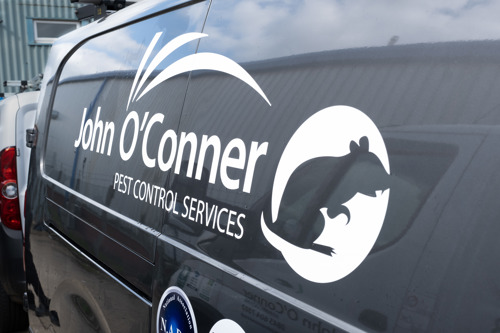
We work in partnership with our pest control partner John O’Conner Pest Control, who provide friendly, respectful and professional services for a wide range of pests. They have been supporting customers and housing providers for over 55 years.
• Store food in sealed containers and avoid leaving food uncovered;
• Clean up crumbs and spills promptly;
• Keep indoor and outdoor bins closed and ensure no rubbish bags are left beside bins;
• Avoid excessive bird feeding;
• Report any structural issues (e.g. holes to buildings, damaged vents, slipped roof tiles);
• Keep gardens neat and tidy and free of rubbish, bulk waste or food waste;
• Treat pets regularly for fleas and wash pet bedding frequently; and
• Report damp, leaks, drainage problems and other property issues alongside the pest problem, underlying issues may need investigating as well as the pest itself.
What pests can you help with?
We can offer advice and support on many types of pest issues, including rats, mice, squirrels, cockroaches, bedbugs, fleas, flies, maggots, ants, wasps and birds.
Who will carry out pest control treatment?
All pest treatments arranged by us are carried out by John O’Conner’s fully trained technicians. They will always carry ID. Please ask to see this before letting anyone into your home. John O’Conner are registered with the British Pest Control Association (BPCA) and the National Pest Technician Association (NPTA).
Do I need to prepare my home for treatment?
For some pests (for example, bedbugs and fleas), you may need to prepare your home for treatment. You may need to wash bedding, clear clutter, or move furniture before the visit. We’ll advise you on what’s needed so the treatment works effectively and can be started as soon as possible.
What if a pest issue is my responsibility but I cannot afford treatment
Please talk to us if you need support. Our free Better Days service can offer advice and practical support based on your circumstances.
You may find the following helpful:
www.orbitcustomerhub.org.uk/help-support
www.bpca.org.uk/find
www.bpca.org.uk/pest-advice